If you have seen headlines about quartz countertops and a lung disease called silicosis, it is fair to wonder what it means for your home. The short answer: the risk is to the workers who cut the stone, not to you living with a finished countertop. Here is the full, honest picture.
What is silicosis?
Silicosis is a serious lung disease caused by breathing in fine crystalline silica dust over a long period. Engineered quartz contains a high proportion of crystalline silica, and cutting, grinding and polishing raw slabs releases that dust into the air. It is the airborne dust during fabrication that causes harm, not the solid, finished stone.
Who is actually at risk
This is the part that gets lost in the headlines. Silicosis is an occupational disease. The people at risk are fabrication workers who cut and shape slabs day after day without proper dust controls. It is a workplace safety issue about how stone is handled in the shop, and the answer is protecting those workers, which responsible fabricators already do.
Is your countertop safe at home?
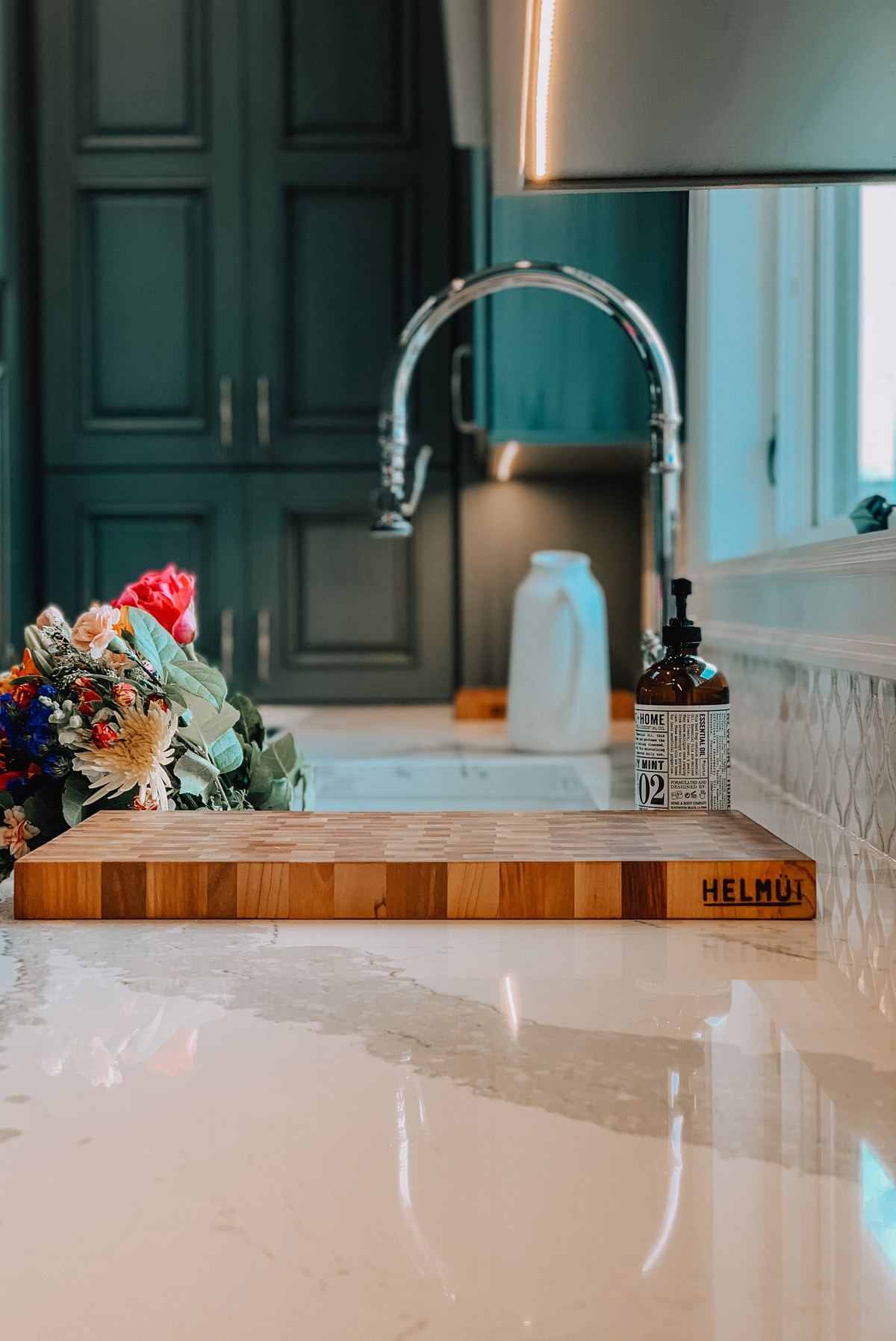
A finished, installed quartz countertop is inert and safe. It does not release silica dust just by sitting in your kitchen. You can cook on it, prepare food on it and touch it with no silicosis risk. The danger exists only where stone is being actively cut and ground.
In other words, the concern is real, but it applies to the fabrication stage, not to the countertop in your home.
What the headlines and bans are about
Australia introduced a ban on engineered stone in 2024, and California has moved toward restricting quartz fabrication, all to protect fabrication workers from silicosis. It is worth being clear about two things: these measures target the cutting and fabrication process, not homeowners with finished countertops, and they are not Canadian law. There is no ban on quartz countertops in Canada.
How we cut quartz safely
Because the real risk sits with the people doing the work, that is where we focus. We do almost all of our cutting in our own shop, where conditions are controlled, and we take every precaution: we only wet-cut stone, which keeps the dust down at the source, and our team wears appropriate protective equipment. On the rare occasion we need to cut on site, for example coring a hole for a faucet or soap dispenser, we take exactly the same care. Looking after the well-being of our team and our customers is a priority for us.
Should you still choose quartz?
For a homeowner, quartz remains a safe, durable, low-maintenance surface, and it is still one of the most popular choices for good reason. If you would prefer natural stone, granite, quartzite and marble are all excellent options too. Not sure which suits you? Our how to choose a countertop guide breaks it down, or just ask us, we are happy to talk it through.
Frequently asked questions
Is it safe to have quartz countertops in my home?
Yes. The silicosis risk is an occupational one that affects workers who cut, grind and polish raw slabs and breathe in silica dust. A finished, installed quartz countertop in your kitchen is inert and safe to live with, cook on and touch.
What is silicosis and who is at risk?
Silicosis is a serious lung disease caused by inhaling fine crystalline silica dust over time. The people at risk are stone fabrication workers, not homeowners. It is a workplace safety issue about how stone is cut, not about finished countertops in a home.
Are quartz countertops banned in Canada?
No. There is no ban on quartz countertops in Canada. Recent bans and proposed bans, such as in Australia and California, target the fabrication process to protect workers, not the sale or use of finished countertops, and they are not Canadian law.
How do you handle silica dust when cutting quartz?
We do nearly all of our cutting in our own shop, we only wet-cut stone, which keeps dust down at the source, and our team wears appropriate protective equipment. On the rare occasion we cut on site, we take the same precautions. The real risk is to the people doing the cutting, so looking after our team, and our customers, is something we take seriously.