
To clean quartz countertops, wipe them with warm water and a few drops of mild dish soap on a soft cloth, rinse, and dry. That is all daily care needs. Quartz is non-porous, so it never needs sealing. Avoid abrasive powders and scouring pads, oven cleaner and other harsh chemicals, and always put hot pans and slow cookers on a trivet, because quartz is heat resistant, not heat proof. For tough stains, use only the cleaners your quartz brand approves, since the brands do not agree with each other.
We hear the same questions from almost every quartz owner in Kelowna: can I use Lysol, is bleach okay, and is that ring from the coffee pot permanent? The honest answer is that quartz is easy to care for, as long as you skip a few products and respect heat. Below is exactly what we tell our own clients after an install.
How to clean quartz countertops every day
Engineered quartz is mostly ground natural quartz held together with resin, and that resin makes the surface non-porous. Spills sit on top instead of soaking in, so a gentle wipe is enough. The major manufacturers all describe the same basic routine:
- Clear crumbs and debris with a dry cloth or a soft brush.
- Wipe with warm, soapy water. A few drops of mild dish soap in warm water on a soft cloth, microfibre cloth or non-scratch sponge. Caesarstone puts it simply: "A splash of warm soapy water will do."
- Rinse with clean water so no soap film is left behind.
- Dry with a soft cloth or paper towel. Wiping the surface dry, especially around the faucet, stops water spots and limescale from building up.
That is the whole routine. You do not need a special quartz spray for daily cleaning, and you should never apply a sealer or polish. Cambria's care guide says not to apply sealers, penetrants or topical treatments at all, because they wear off and leave the gloss looking dull or patchy.
What is the best cleaner for quartz countertops?
For everyday cleaning, the best cleaner for quartz countertops is the simplest one: mild dish soap and warm water. Regular dish soap such as Dawn is exactly the kind of mild detergent the manufacturers mean, and it cuts kitchen grease well. Some brands also sell their own daily spray, for example Cosentino recommends Q-Action for Silestone, with water and neutral soap as the alternative.
Where it gets confusing is stronger cleaners. Here is the part most articles leave out:
| Product | Caesarstone | Silestone (Cosentino) | Cambria |
|---|---|---|---|
| Dish soap and warm water | Yes | Yes | Yes |
| Soft Scrub Liquid Gel | Named as a suitable non-abrasive cleaner | Not mentioned | Listed as a product not to use |
| Diluted bleach | Use high or low pH chemicals with caution | Allowed for tough stains, rinse well afterwards | Listed as a product not to use |
| Vinegar | Not mentioned | Suggested for cleaning and for metal marks | Acids listed as not to use |
| Abrasive scourers and powders | Non-abrasive products only | Non-scratch pads, gentle pressure | Listed as not to use |
So when someone online says bleach "ruined" their quartz and someone else says it is fine, they may both be right for their own brand. Our advice: keep daily cleaning to soap and water, and for anything stronger, follow the care guide for your exact brand. You can find them here: Caesarstone care and maintenance, Silestone maintenance and Cambria product care. Not sure which brand you have? If we installed it, give us a call and we will look it up.
How to remove stains from quartz countertops
Does quartz stain? It resists stains very well because liquids cannot soak into it, but marks can sit on the surface, and some dried-on spills look like stains until you lift them. Always start with the gentlest method and test any new product on a hidden spot first, as Caesarstone and Cosentino both recommend.
| Mark | Try first | If it is still there |
|---|---|---|
| Coffee, tea, wine, juice | Warm soapy water, then rinse and dry | A cleaner approved by your brand, rubbed gently in circles over an area a bit larger than the stain |
| Grease and cooking oil | Dish soap and warm water (soap is a degreaser) | Repeat with a little more soap, then rinse well so no film is left |
| Dried food, dough, sauce | Cover with a wet cloth for several minutes to soften it, then wipe | Repeat the soak. Never scrape with a knife or metal blade |
| Grey metal marks from pots and pans | Soapy water and a soft cloth | A cleaner your brand approves for metal marks, used gently and rinsed off |
| Rust from cans or cast iron | Soapy water and a soft cloth | A rust or oxide cleaner your brand approves, used gently and rinsed off |
| Water spots and limescale by the faucet | Dry the area after every use | An anti-limescale product your brand approves, then rinse and dry |
One more tip from Caesarstone that saves a lot of frustration: on darker quartz, patina and stains are more noticeable, and cream-coloured cleaning products are not recommended. A final rinse with plain water and a dry microfibre cloth fixes most "cloudy" dark tops.
If a mark does not move after two gentle tries, stop. Scrubbing harder with an abrasive pad is how a small stain turns into a dull patch that needs professional polishing.
What not to use on quartz countertops
These are the products and habits that cause most of the quartz damage we are called out to fix:
- Abrasive powders and pads. Scouring powder, steel wool, S.O.S. pads and the rough side of a sponge can wear down the polish. Baking soda pastes are mildly abrasive too, so skip them unless your brand says otherwise.
- Oven cleaner, paint stripper and solvents. Cambria lists oven cleaners, paint removers and furniture strippers as products to keep away from its quartz, and Caesarstone warns that prolonged exposure to chemicals may damage the surface.
- Strong alkaline or acidic cleaners left to sit. Chemicals with very high or very low pH should be used with caution, if at all. If you use a disinfectant, wipe it off and rinse rather than letting it sit.
- Sealers, waxes and "stone polish". Quartz does not need them, and they leave a dull, uneven film.
- Cutting directly on the counter. Quartz is hard, but no surface is scratch proof. Use a cutting board.
Granite, quartzite and marble are natural stones that need periodic professional sealing and have their own care rules. Quartz does not. If you are not sure what you have, see our guide to the types of kitchen countertops or quartz vs granite.
Can you put hot pans on quartz?
No. Quartz is heat resistant, not heat proof. The stone itself copes with heat, but the resin that binds it can scorch, leaving a yellow or white mark that no cleaner will remove. Caesarstone and Cosentino both tell owners to always use trivets or hot pads, and Cambria says a closed-weave hot pad or solid trivet is always recommended.
The problem is not only temperature but also sudden temperature change and heat that lasts a long time. Cosentino notes that sudden changes in temperature can affect Silestone the same way they affect other stone materials, and Cambria warns about rapid temperature change, especially near the edges. In practice that means:
- Pans straight from the stove or oven: always on a trivet, never directly on the quartz.
- Slow cookers, air fryers, electric griddles and roaster ovens: Cambria names these specifically, because they heat the same spot for a long time. Put them on a trivet or a wooden board.
- Hot coffee mugs and teacups: a cup of coffee is much cooler than a pan off the burner and is normal everyday use, but coasters never hurt on light-coloured quartz.
- Seams and edges: keep hot appliances away from edges, which Cambria flags as especially sensitive to temperature change, and away from seams.
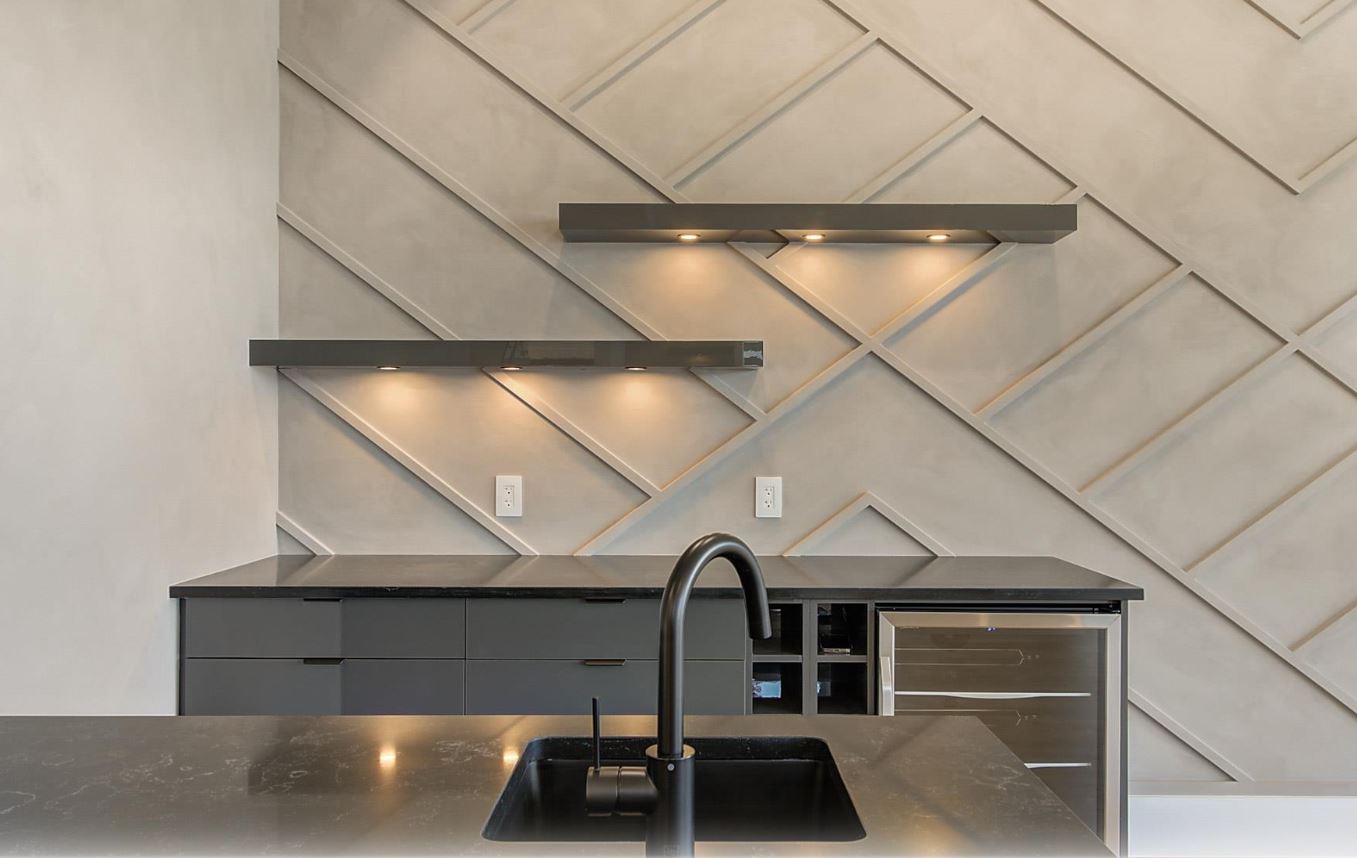
Quartz countertop do's and don'ts
| Do | Don't |
|---|---|
| Wipe daily with warm water and mild dish soap | Use scouring powder, steel wool or abrasive pads |
| Rinse and dry, especially around the faucet | Leave cleaner, disinfectant or soap film to dry on the surface |
| Wipe up spills when they happen | Use oven cleaner, paint stripper or solvents |
| Use trivets for pans, slow cookers and air fryers | Put hot pans or running appliances directly on the quartz |
| Use a cutting board | Cut directly on the counter |
| Follow your brand's care guide for strong cleaners | Apply sealers, waxes or stone polish |
Already damaged? Burns, chips and dull spots
Some damage cannot be cleaned away: a scorch mark from a hot pan, a chip near the sink from a dropped pot, or a dull patch from scrubbing with the wrong product. Please do not try to fix these with DIY kits, which usually leave a patch that stands out more than the original damage.
The good news is that most quartz damage can be professionally repaired without replacing the countertop, usually in a single visit of one to four hours. Read can quartz be repaired? for what is fixable, or book our countertop repair service and we will tell you honestly whether repair or replacement makes more sense.
Frequently asked questions
What is the best thing to use to clean quartz countertops?
Warm water with a few drops of mild dish soap on a soft cloth or microfibre cloth, followed by a rinse and a dry. All major quartz brands recommend this for daily cleaning. For tough stains, use only the cleaners your brand approves.
Is Dawn dish soap safe for quartz?
Yes. Regular dish soap like Dawn is a mild detergent, which is what quartz manufacturers recommend for everyday cleaning. Use a small amount in warm water, then rinse with clean water and dry so no soap film is left behind.
What should you not clean quartz countertops with?
Avoid abrasive powders and pads, steel wool, oven cleaner, paint strippers, solvents and harsh high or low pH chemicals left to sit on the surface. Bleach and some cream cleaners are allowed by one brand and banned by another, so check the care guide for your brand before using them.
Can you put hot pans on quartz?
No. Quartz is heat resistant but not heat proof. The resin can scorch and leave a permanent mark, and sudden temperature changes can stress the stone. Always use a trivet or hot pad for pans straight from the stove or oven.
Can a crockpot sit on a quartz countertop?
Not directly. Slow cookers heat the same spot for hours, and Cambria names slow cookers, air fryers, electric frying pans and roaster ovens as appliances that need a hot pad or trivet underneath. Set them on a trivet or a wooden board, away from seams and edges.
Does quartz stain?
Quartz is non-porous, so liquids like wine, coffee and oil do not soak in the way they can with natural stone. Marks can sit on the surface, though, and most come off with soapy water. Wipe up spills promptly and dry the surface to keep it looking new.
Do quartz countertops need to be sealed?
No. Quartz is non-porous and never needs sealing. Manufacturers advise against applying sealers or polishes, because they wear off unevenly and make the surface look dull. Natural stones like granite and marble are different and do need periodic professional sealing.